How STEP-Based Tube Prefabrication Reduces Installation Time and Project Costs
How STEP-Based Tube Prefabrication Reduces Installation Time and Project Costs
In offshore, marine and industrial hydraulic projects, one of the biggest challenges is transforming a 3D design into a fully installed tubing system.
In many workshops, the traditional approach is still common: the skid or steel structure must first be completed before tubing can be measured, fabricated and manually adjusted during installation.
While this approach works, it has significant limitations. It extends project schedules, increases installation hours and makes it difficult to achieve consistent repeatability in serial production.
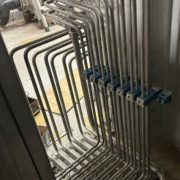
Today, prefabricated hydraulic tubing combined with CNC tube bending and STEP-based engineering allows projects to be executed faster, more accurately and with significantly less work performed on site.
What Is a STEP File?
A STEP (.stp or .step) file is the industry standard format for exchanging 3D CAD data between different design systems.
It contains the complete geometry of a component or assembly and can therefore be used not only by the designer, but also by software supporting manufacturing and tube fabrication processes.
This allows a direct transition from a 3D model to hydraulic tube prefabrication.
CAD Model → STEP File → Simulation → Trial Bend → Series Production
From Manual Tube Bending to Digital Tube Prefabrication
In a traditional tube bending process, operators must manually calculate straight lengths, bend sequences, bend allowances and compensate for material spring-back.
For complex three-dimensional tube geometries, the process depends heavily on operator experience, trial bends and manual adjustments.
The more complex the tubing system becomes, the greater the risk of planning errors and manufacturing mistakes.
Every additional test bend increases production time and also raises the risk of damaging valuable material. For expensive stainless steel, 6MO, Super Duplex or high-pressure tubing, a single mistake can result in significant material losses and additional costs.
By using STEP files, much of this work can be transferred into a digital environment before production begins.
The software can automatically extract:
- 3D geometry
- tube diameter
- wall thickness
- bend radii
- bend angles
- developed tube lengths
The result is faster production preparation, improved repeatability and reduced risk of errors.
Simulation Before Production Starts
One of the greatest advantages of modern tube bending software is the ability to simulate the entire bending process before the machine is started.
The software evaluates:
- whether the geometry is manufacturable
- potential collisions between the tube, machine tooling and the workshop floor caused by tube rotation and complex multi-plane bending sequences
- minimum distances between bends
- required technological allowances
- proper material gripping during bending
This allows potential issues to be identified before production starts, reducing the risk of costly rework.
In complex three-dimensional geometries, a tube may be theoretically correct in the CAD model but still impossible to manufacture due to limitations related to machine tooling, tube rotation or floor clearance during the bending process.
For long and complex tube geometries, simulation often determines at an early stage whether the design can actually be manufactured on a specific bending machine.
Geometry Verification and Optimization Before Production
One of the greatest advantages of STEP-based tube fabrication is the ability to verify manufacturability before fabrication begins.
In practice, engineers sometimes create geometries that work perfectly in a CAD model but prove difficult or impossible to manufacture on an actual tube bending machine due to bend radii, spacing between bends or material limitations.
In such cases, the geometry can be analyzed and optimized before production.
The modified STEP file can then be returned to the engineering team for verification within the original 3D model.
This allows potential problems to be identified and resolved during the design phase rather than during offshore installation or site assembly.
In many cases, minor adjustments to tube routing or bend radii are sufficient to eliminate costly delays and modifications.
Why Is a Trial Bend Still Necessary?
Even with advanced software, materials behave differently during bending.
For this reason, a trial bend is always performed before serial production begins.
Measurements are used to determine:
- actual spring-back
- material elongation during bending
After calibration, the system automatically compensates for these differences throughout the production run.
The result is exceptional dimensional accuracy and repeatability across the entire batch.
It is precisely the combination of digital simulation, practical testing and operator experience that delivers results difficult to achieve through traditional manual tube fitting.
Parallel Production Instead of Sequential Production
One of the greatest advantages for project managers is the ability to perform multiple activities simultaneously.
Traditional Production Model
Frame Construction → Transport → Tube Measurement → Bending → Installation
Digital Tube Prefabrication Model
Frame Construction + Tube Prefabrication → Final Installation
This means tubing can be manufactured in parallel with the supporting structure.
In practice, tube prefabrication can begin long before the completed skid or structure arrives at the hydraulic workshop.
The key requirement is that the structure is manufactured within the dimensional tolerances defined by the project.
For many offshore, marine and industrial projects, this significantly reduces overall project lead times.
Traceability and Tube Identification
Traceability is becoming increasingly important in offshore, marine and industrial projects.
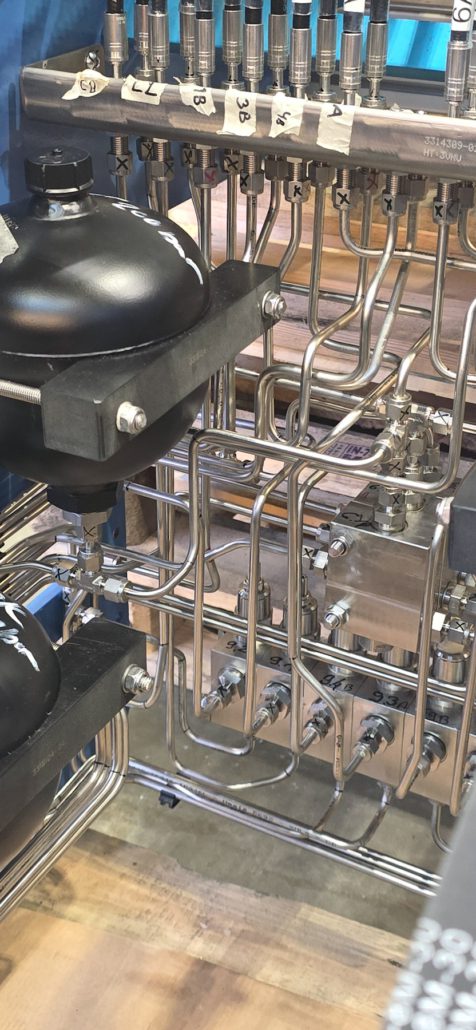
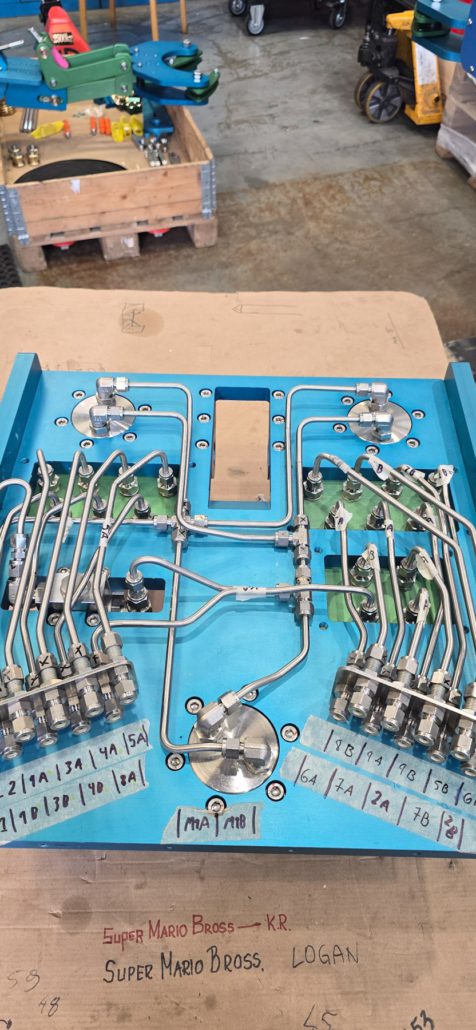
Each prefabricated tube can be permanently marked according to project documentation, simplifying:
- installation
- quality control
- maintenance and service
- documentation management
A well-designed identification system reduces installation errors and contributes to faster commissioning.
Fewer Connections – Lower Risk of Leakage
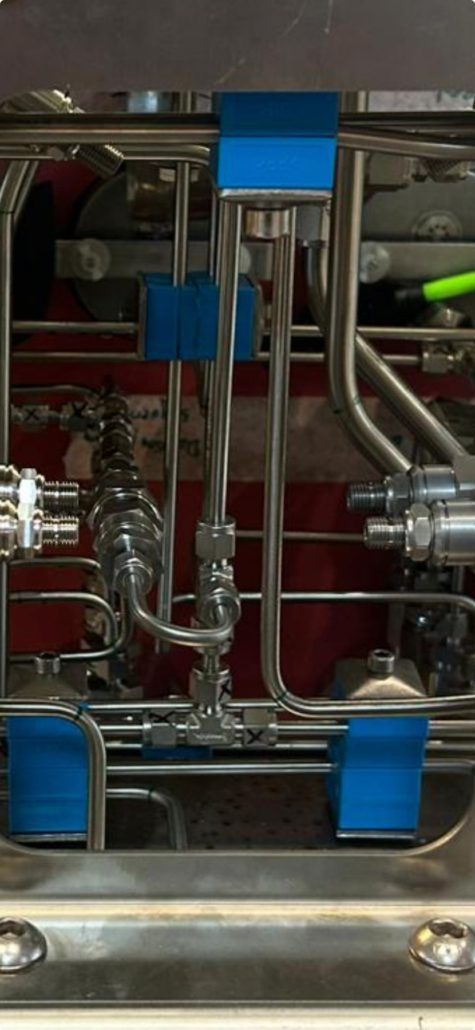
Tube prefabrication and precision bending make it possible to reduce the number of fittings required within a system.
Every connection represents a potential leakage point, particularly in high-pressure hydraulic systems.
A well-designed and accurately bent tubing system provides:
- fewer connections
- faster installation
- lower risk of leakage
- easier maintenance
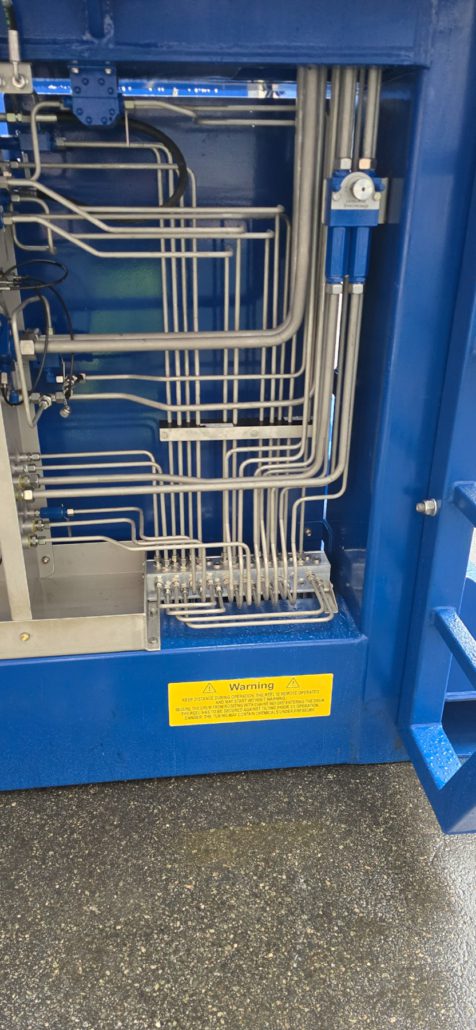
- a cleaner and more professional installation
An additional benefit is the reduction of installation stresses that often occur when tubing must be manually adjusted during assembly.
Typical Applications
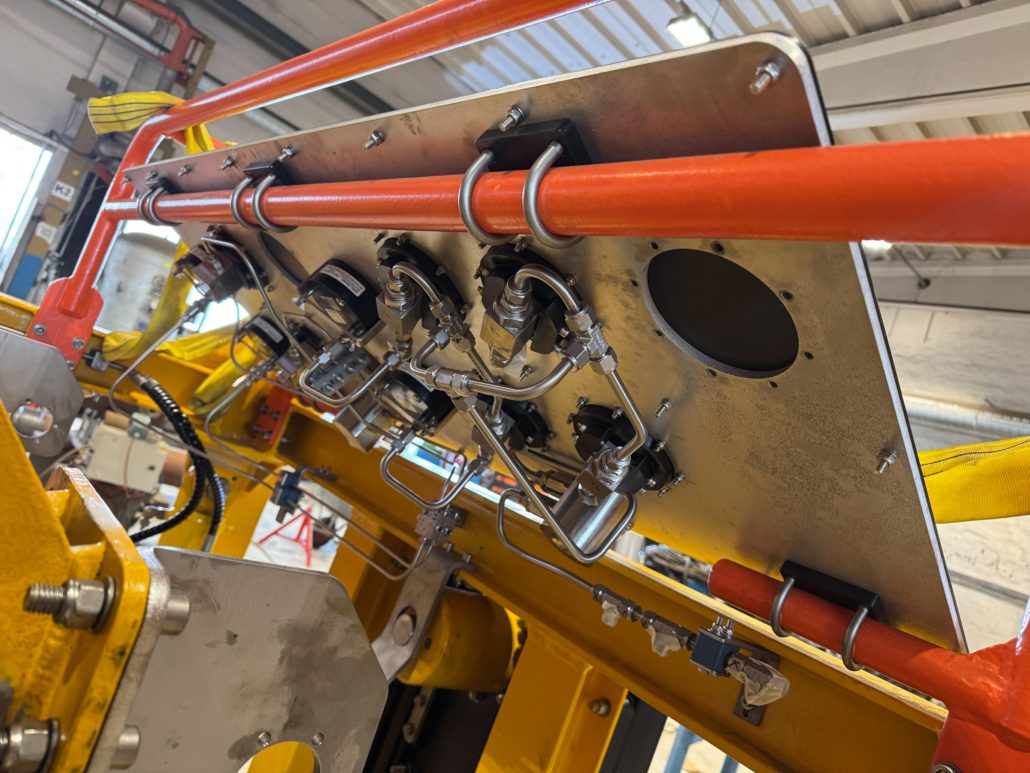
Prefabricated hydraulic tubing is commonly used in:
- Offshore hydraulic systems
- Marine piping systems
- Hydraulic Power Units (HPUs)
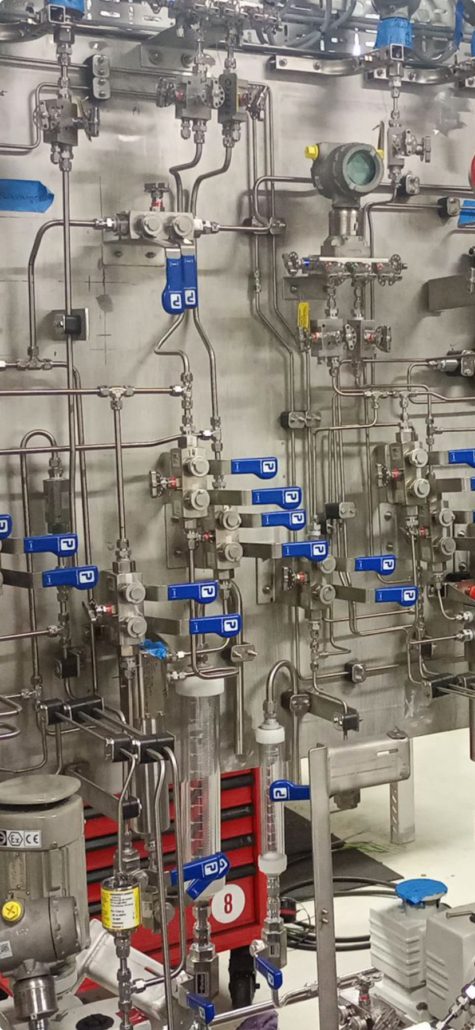
- Instrumentation tubing systems
- Process and industrial installations
- Skid-mounted hydraulic packages
How We Deliver These Projects at Ekke Hydraulics
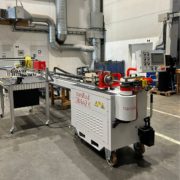
As the exclusive Transfluid representative in Norway, Ekke Hydraulics utilizes modern Transfluid CNC tube bending technology for the prefabrication of hydraulic and instrumentation tubing systems based on STEP files.
In addition to manufacturing, we support our customers by verifying geometry and assessing manufacturability. If challenges related to bend radii, collisions or technological limitations are identified, we can propose design modifications and return an updated STEP model for engineering review.
This enables many potential issues to be resolved before fabrication and installation begin.
From our workshop in Mekjarvik, Randaberg, we supply prefabricated tubing systems for offshore, marine and industrial projects.
Conclusion
The use of STEP files and STEP-based tube prefabrication is no longer limited to the largest manufacturers.
More and more offshore, marine and industrial projects are utilizing prefabricated hydraulic tubing systems to reduce lead times, improve quality and lower installation costs.
The greatest advantage is not the bending process itself, but the ability to prepare complete tubing systems in advance, verify manufacturability and reduce the amount of work required on site.
This is where modern tube prefabrication delivers its greatest savings in time, cost and project resources.
As the exclusive Transfluid representative in Norway, Ekke Hydraulics combines STEP-based engineering, tube bending technology and practical offshore experience to help customers verify, prefabricate and deliver complete hydraulic and instrumentation tubing systems with a high level of accuracy and repeatability.
/////////
This post is also available in: